Nous vous accompagnons dans la visualisation de vos avancées scientifiques et technologiques
Illustrations Animations médicales Applications VR
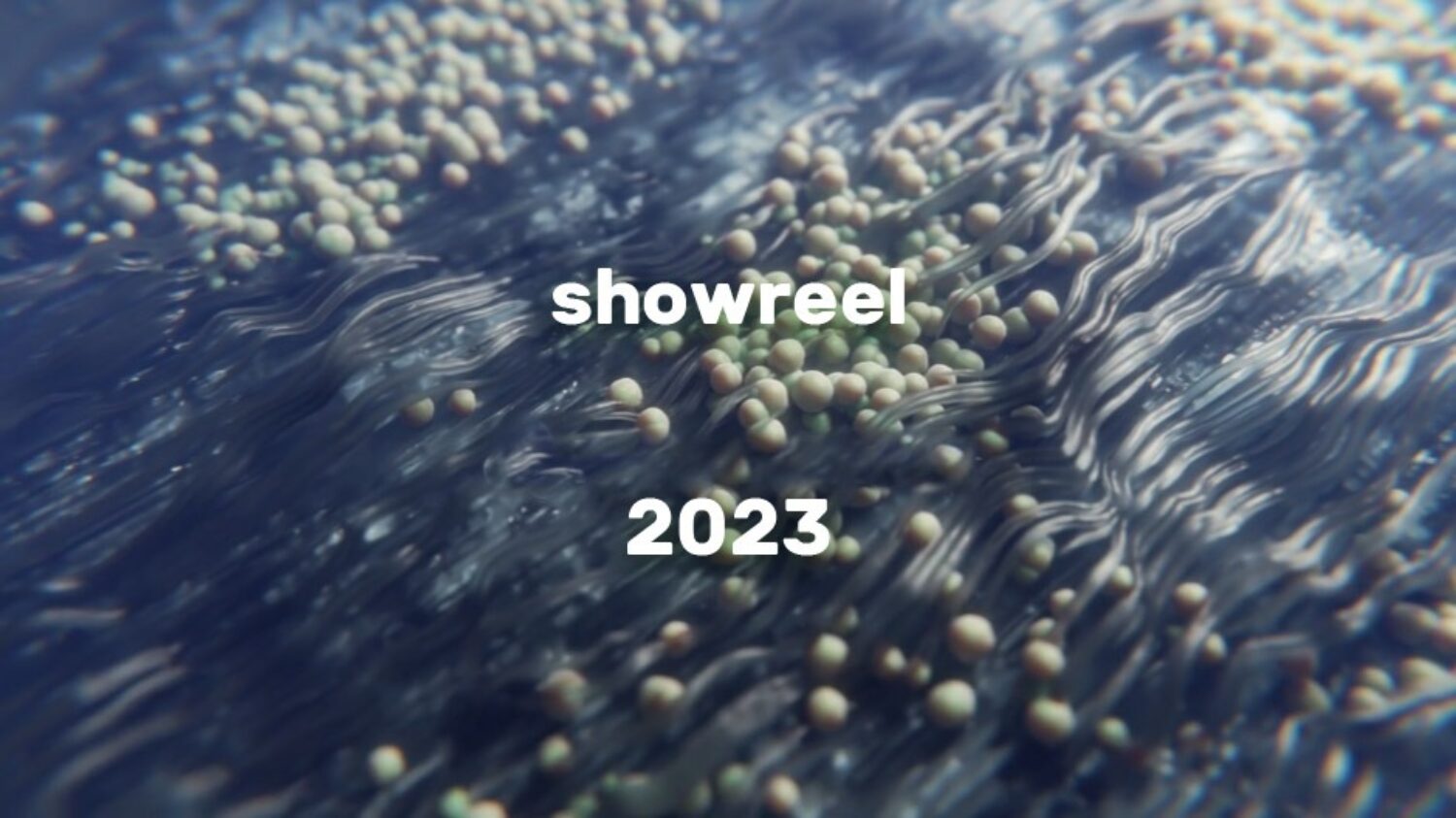
Toutes les illustrations et animations du site sont des œuvres originales créées pour nos clients.
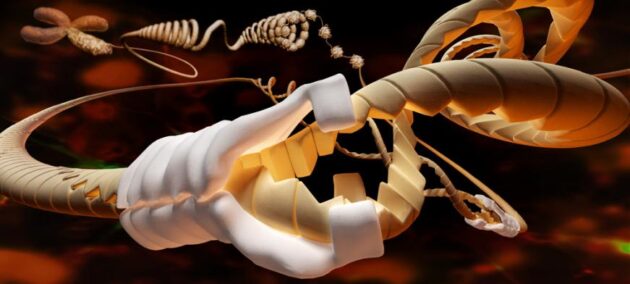
Illustration pour le Magazine Science & Vie – Des enzymes pour reconstruire l’ADN
Vous souhaitez communiquer sur vos avancées technologiques à travers un film d’animation médicale ou scientifique, une illustration ou d’une application interactive ?
Communiquer, c’est comprendre l’autre. Parce que chaque situation et chaque partenaire sont uniques. Ressentir, faire comprendre, enseigner, attirer … autant d’ambitions pour réaliser des productions visuelles personnalisées, innovantes et pertinentes avec immersion et simplicité. Repousser les limites du savoir avec des créations artistiques et didactiques.

Vous désirez des animations médicales ou scientifiques de la plus belle des façons sans sacrifier le message scientifique ?
IMASCIENCE est une agence de communication visuelle spécialisée dans les sciences. Elle vous accompagne pour la réalisation d’outils de communication avec une sensibilité artistique. Mais l’autre point fort de l’agence est de vous apporter son expertise éprouvée dans la représentation visuelle des processus scientifiques.
Notre objectif : animer une description, étape par étape, la plus précise et efficace possible.
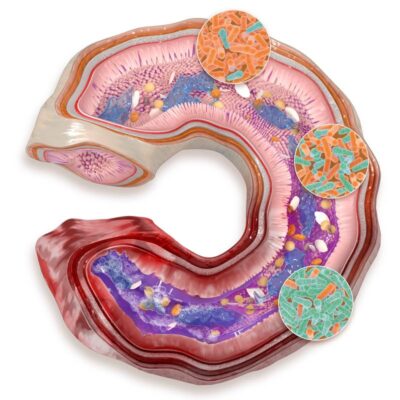
Vous cherchez à réaliser animations médicales efficaces de vos modes d’action ?
IMASCIENCE simplifie les sujets complexes pour les rendre compréhensibles grâce à un savoir-faire reconnu dans la vulgarisation scientifique et des images scientifiques à la portée de tous.
L’agence sait comprendre vos caractéristiques et mettre en valeur ce qui vous différencie sans en perdre la profondeur scientifique.
Notre objectif : mettre en avant les facteurs déterminants avec une représentation scientifique animée, claire et facilement mémorisable.
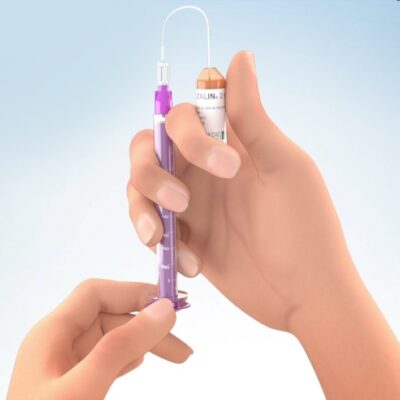
Vous avez besoin d’un interlocuteur impliqué, spécialisé en sciences et très réactif ?
IMASCIENCE , est constituée d’une équipe pluridisciplinaire qui réunit toutes les compétences internes nécessaires au développement de votre animation 3D scientifique et médicale ainsi que des applications interactives.
De la conception à la réalisation (illustration scientifique, animation, modélisation 3D, programmation, ergonomie, …), toute la chaîne de production est intégrée au sein de notre agence, pas de freelances ou de sous-traitants.
Nous analysons vos besoins pour vous apporter les meilleures solutions de communication.
L’écoute est au cœur de notre process. Vous souhaitez valoriser vos procédés scientifiques et médicaux, former vos collaborateurs, informer des avancées technologiques.
Nous vous accompagnons dans la conception de vos supports de communication, adaptés à votre secteur d’activité et à votre réalité métier grâce à nos illustrations scientifiques.

Illustrateur scientifique
Des représentations visuelles, attractives et pédagogiques. Exposez vos écrits avec des images scientifiques, des illustrations médicales. Montrez l’invisible !
En savoir plusScience & Vie – Formation des planètes gazeuses

Studio d’animation médicale et scientifique
Traduire vos connaissances scientifiques en une histoire explicative et prospective avec la vidéo 3D.
Captez l’attention de votre public, suscitez sa curiosité, donnez vie à vos projets !
Polymer Chemistry – Micelle

Concepteur en réalité virtuelle
Des applications immersives en réalité virtuelle et réalité augmentée avec une haute valeur illustrative et fonctionnelle. Plongez vos utilisateurs au cœur de vos actions !
En savoir plusOrinox – Le coeur d’une centrale nucléaire

Développeur d’application mobile
De véritables supports de communication interactifs au service de votre présentation commerciale. Transportez vos explorations scientifiques en visualiseur 3D et didacticiel !
En savoir plusACS Catalysis
Avec vingt années d’expériences en vulgarisation scientifique, nous produisons des prestations véritablement adaptées à votre métier.
Des visuels clairs et des scénarios scientifiques appropriés pour soutenir l’innovation, la découverte, l’éducation ou la prise de décision décision, que votre domaine soit la physique chimie, la technologie ou toute autre spécialité scientifique.
. Donner de l’impact et vous aider à communiquer sur vos recherche par le réalisme de l’image scientifique.
. Créer une mise en scène et un style graphique percutant pour une animation médicale ou scientifique et surtout, adapter le message et votre cible.
. Trouver l’axe de communication adéquat pour chaque niveau de compréhension.
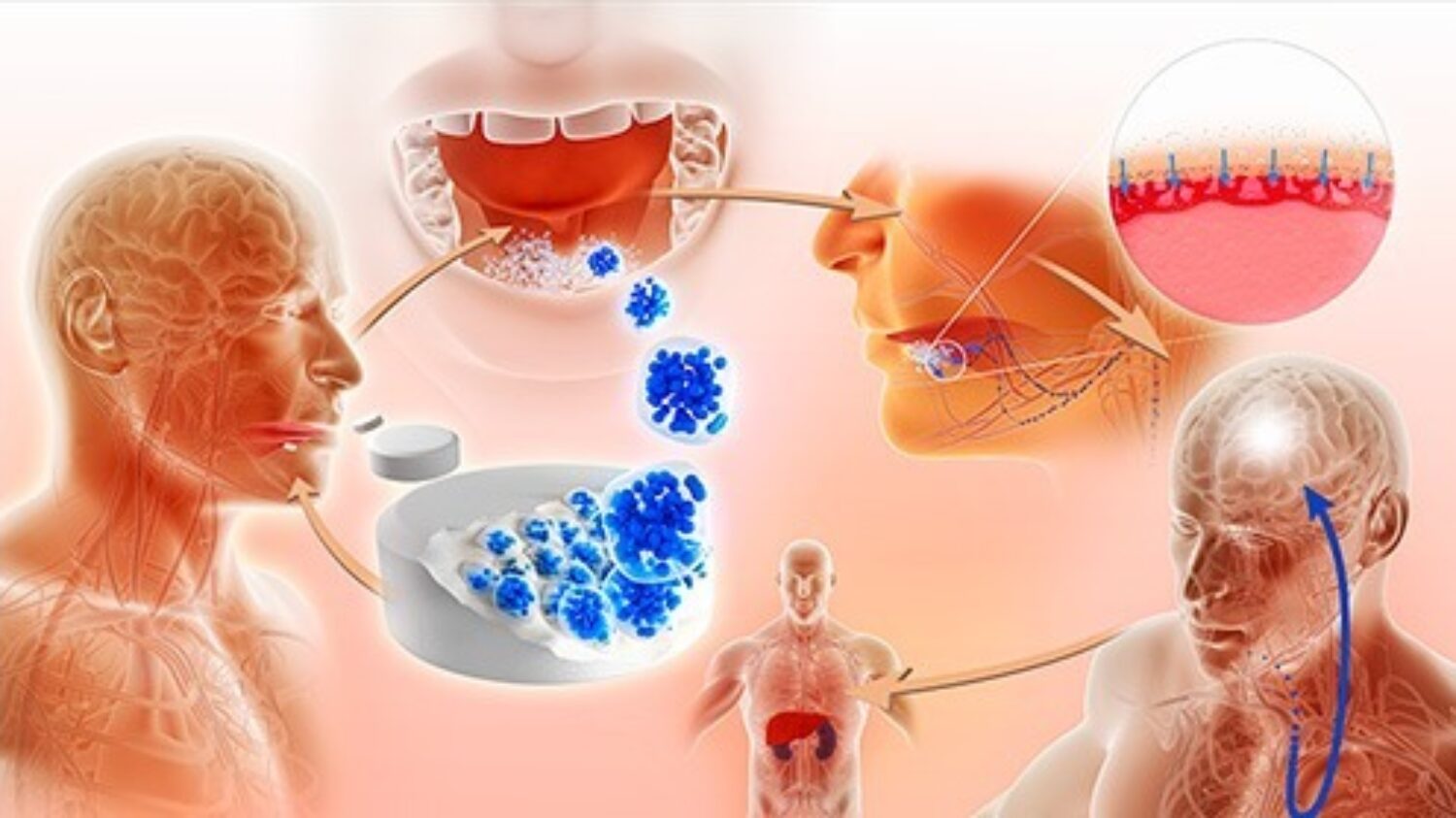
Laboratoire Prostrakan Abstral Comprimé sublingual
Vos défis :
- Mode d’action des médicaments
- S’adresser à des acteurs peu expérimentés au langage scientifique
- Faire approuver un protocole d’accord en biotechnologie
- Élucider les contextes à but thérapeutique et les interactions médicamenteuses
- Mettre en application les enseignements théoriques
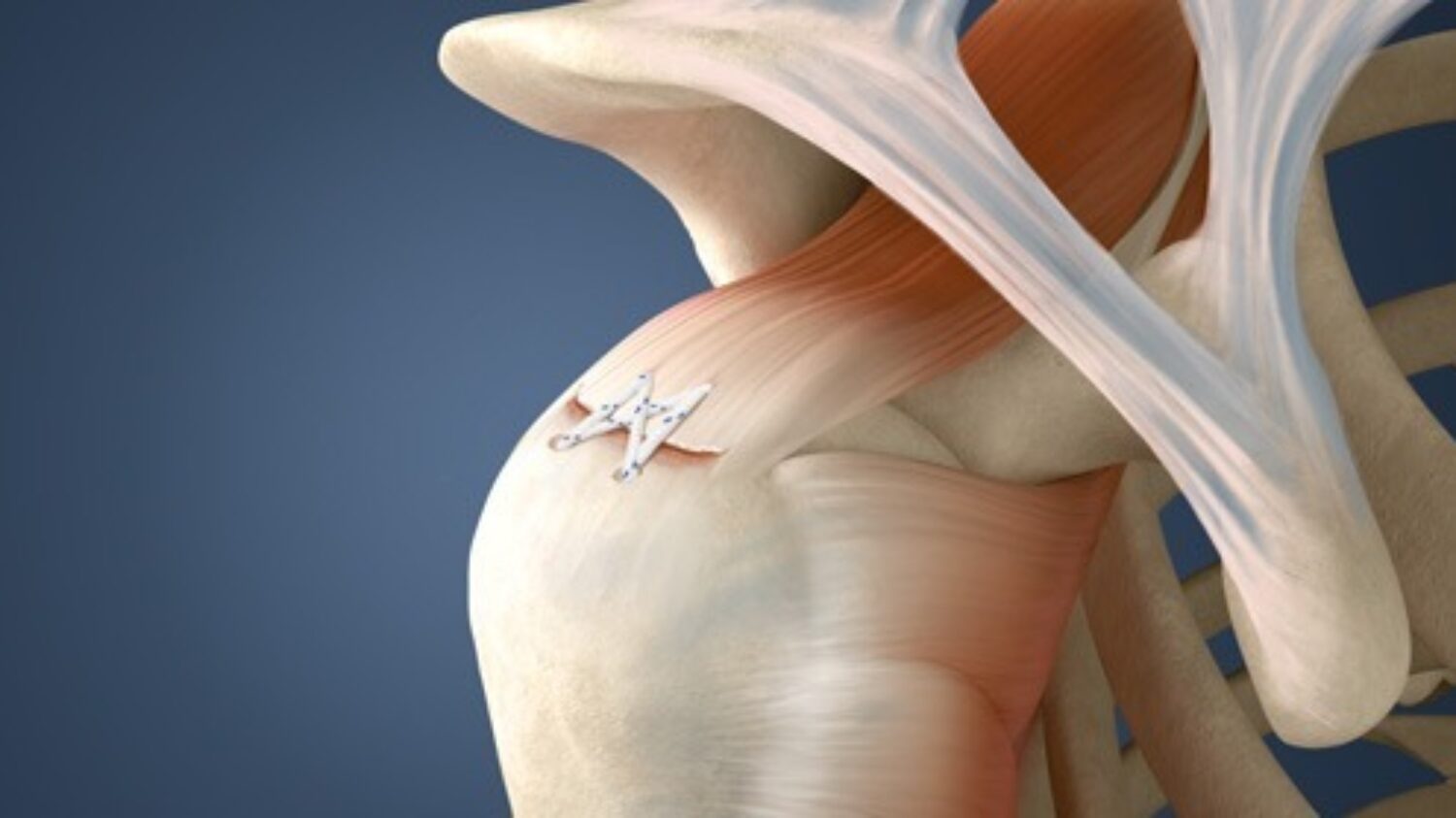
Guy Amsallem – Orthopédie – Réparation de l’épaule
Vos défis :
- Communiquer efficacement les résultats de vos études
- Sensibiliser à la maladie pour mieux la comprendre
- Expliquer, avec une animation médicale, des techniques opératoires et procédés aux apprenants
- Toucher un public aux connaissances scientifiques néophytes
- Partir à la découverte du corps humain
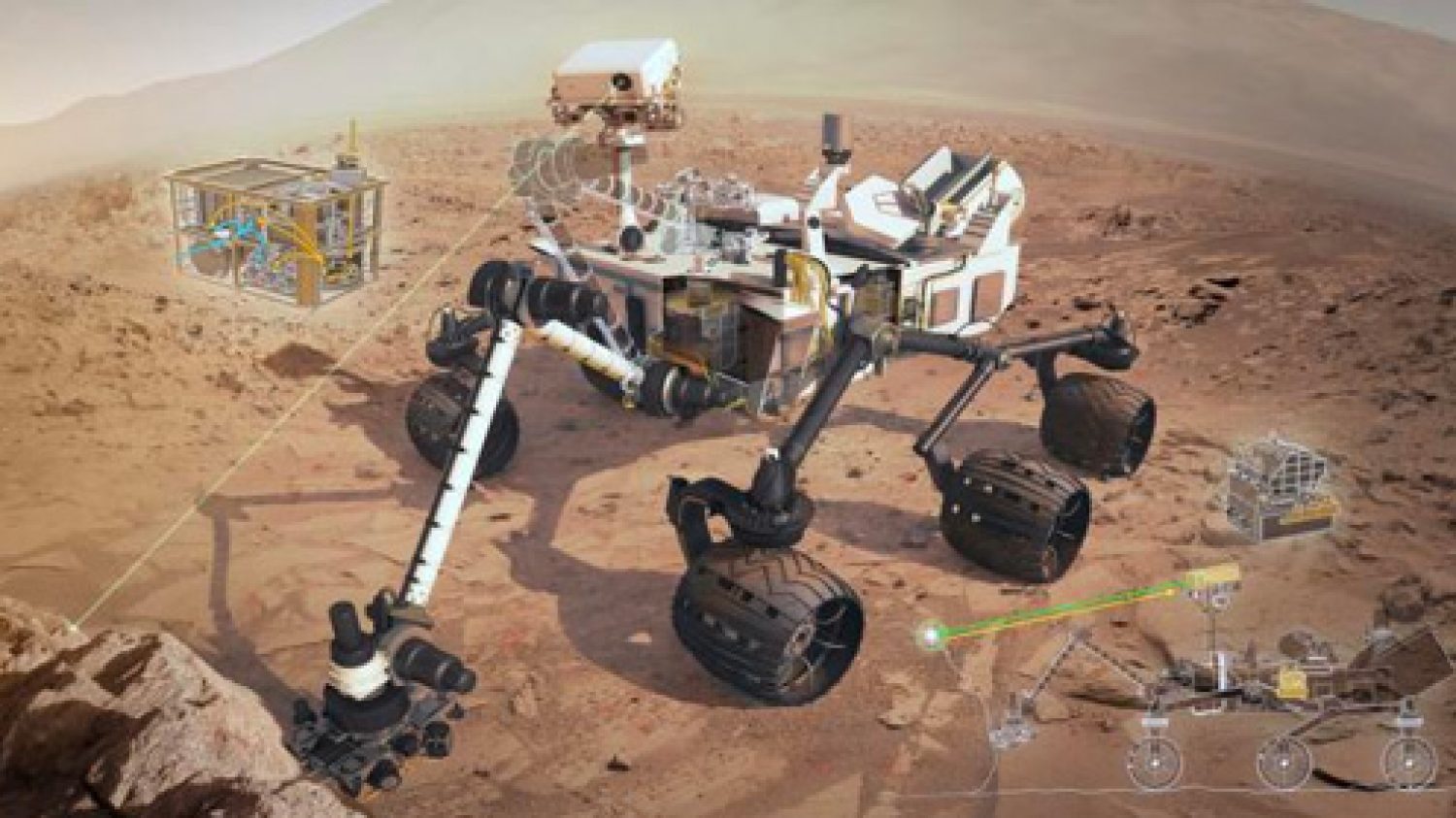
Ciel & Espace – Curiosity sur mars
Vos défis :
- Scénariser vos avancées R&D pour chaque groupe cible
- Obtenir un financement auprès de vos investisseurs
- Interagir avec vos partenaires sur de nouveaux travaux
- Illustrer vos publications scientifiques pour faciliter le contenu
- Rendre visible une innovation encore inexistante
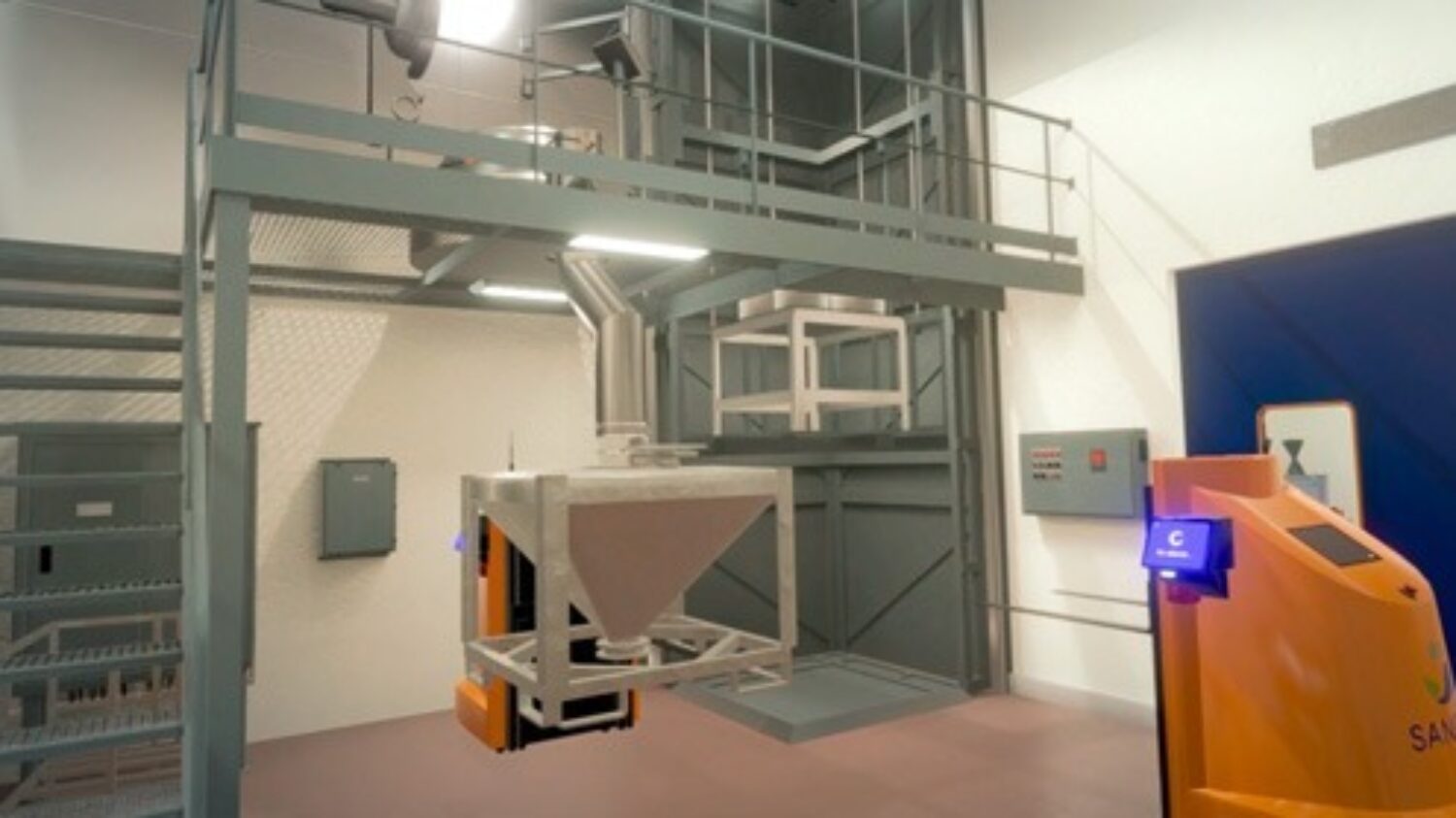
Sanofi – Visite virtuelle des installations
Vos défis :
- Décrire vos processus de fabrication
- Participer à la formation des salariés, apprenants, clients
- Guider les utilisateurs dans les opérations de maintenance
- Mémoriser un procédé technologique
- Accompagner la mise en œuvre d’une pièce mécanique
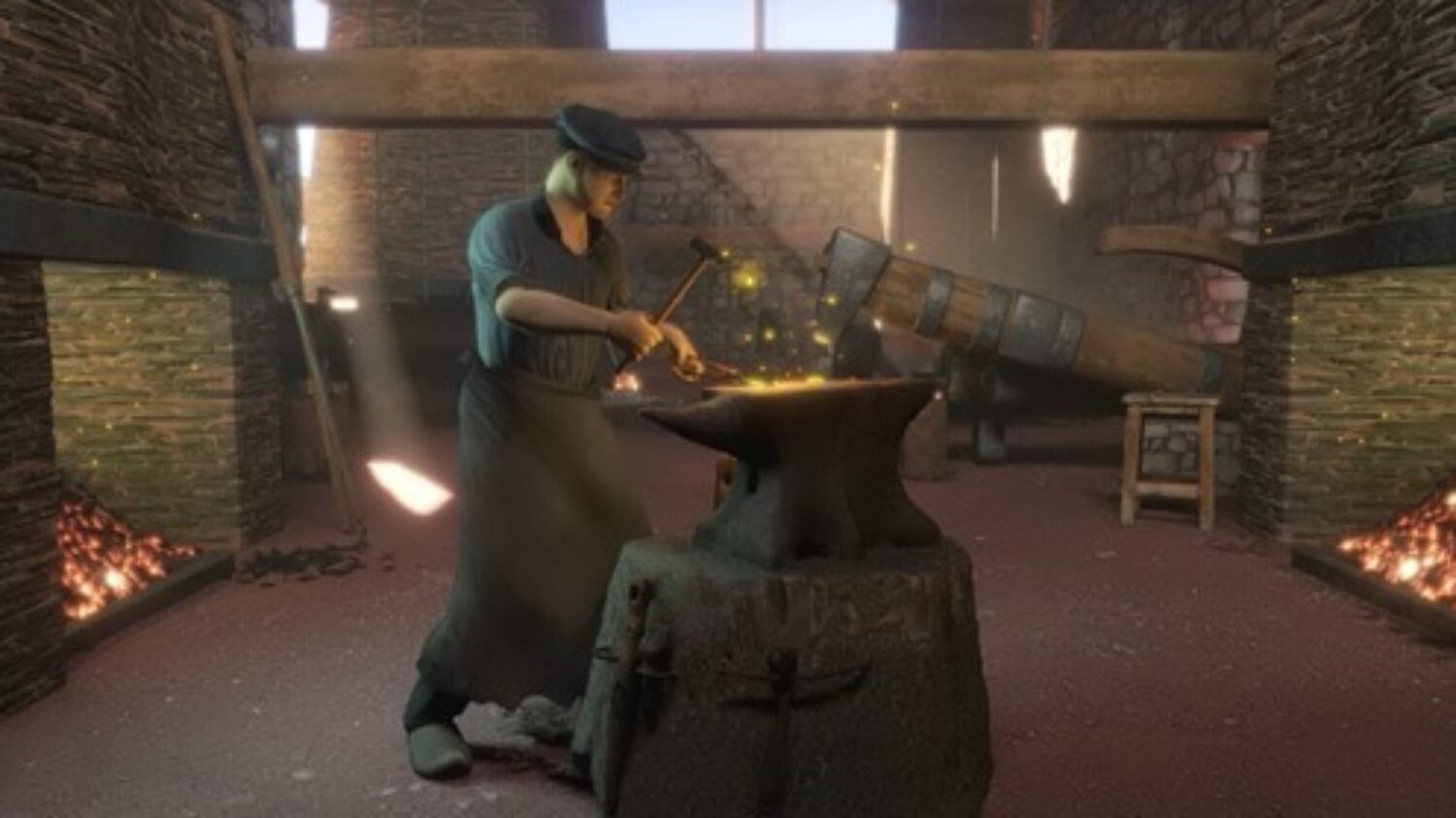
les forges de la Hunaudière
Vos défis :
- Retracer l’histoire de civilisations
- Reconstituer des monuments et objets disparus ou hors d’atteinte
- Plonger vos visiteurs dans un univers immersif avec ou sans VR
- Faire voyager à travers le temps et l’espace avec des explorations passées ou futures
- Formaliser un parcours d’exposition
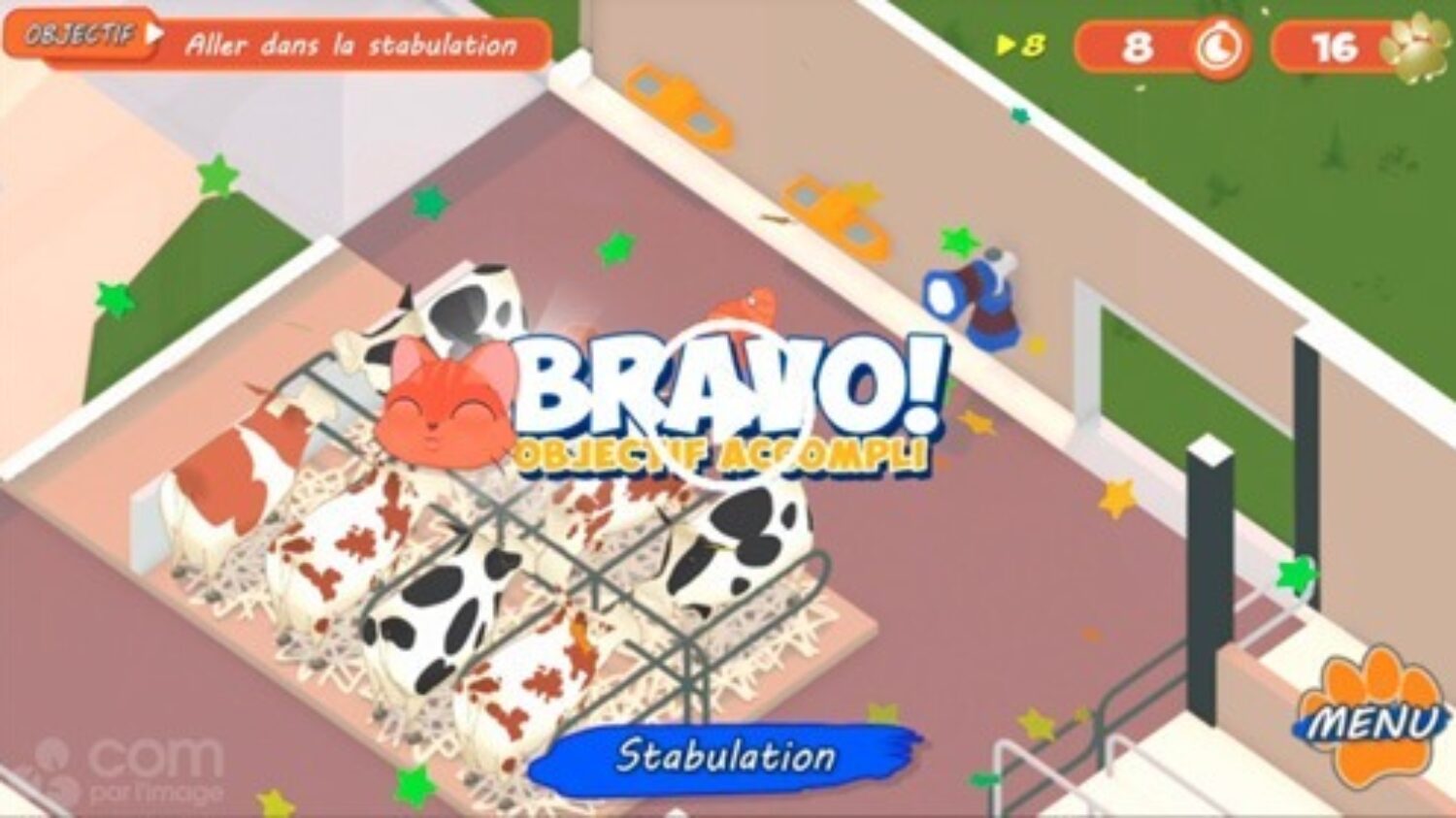
Jeunes agriculteurs – Le parcours du lait.
Vos défis :
- Développer un apprentissage autonome et flexible
- Suivre des cours en classe ou à distance efficace
- Instaurer le digital comme levier d’apprentissage continu
- Acquérir ou réviser des connaissances avec possibilité de suivi de l’apprenant
- Développer des formations à distance utilisant des outils qui peuvent exploiter la 3D et l’interactivité.